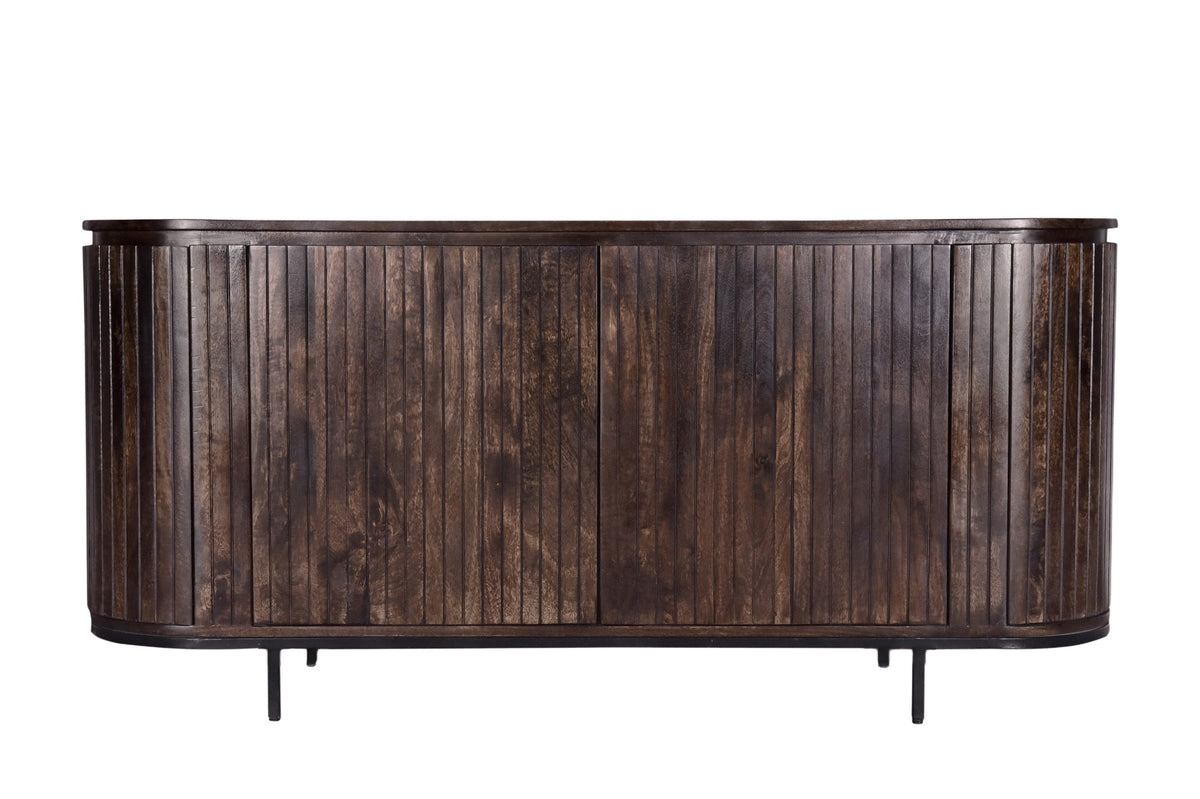
What is a good Japandi sideboard?
A good Japandi sideboard is characterized by a perfect balance between functionality, minimalist design, and high-quality materials. This particular piece of furniture focuses on the harmony between sleek Scandinavian comfort and refined Japanese simplicity. The focus is on clean lines, subtle details, and sustainable woods such as oak or bamboo. An excellent cabinet also offers sufficient storage space to keep the interior tidy and organized. The finish is often matte and natural, allowing the texture of the material to remain clearly visible. This makes the cabinet a timeless and calming foundation in any room of the house.
Why choose a Japandi sideboard?
Choosing a Japandi sideboard means choosing tranquility, style, and a clutter-free living environment. This piece of furniture fits perfectly into contemporary interiors where balance and simplicity are paramount. The furniture combines the warm, cozy feel of Scandinavian living with the minimalist elegance of Japanese design. Thanks to the neutral color tones and natural materials, the cabinet instantly brings warmth to the room without being conspicuously present. Furthermore, the generous storage capacity helps keep items neatly out of sight. This contributes to a tidy home, which according to the Japandi philosophy, creates a relaxed mind.
What to look for when buying a Japandi sideboard?
When buying a Japandi sideboard, there are several aspects to consider. First, check the dimensions of the space where the furniture will be placed, so that the proportions remain balanced. Pay close attention to the materials used; natural wood with a refined finish enhances the authentic appearance. Next, determine which layout is desired, such as a combination of doors, drawers, or sliding elements with a slatted structure. The choice of color is also important. Choose soft, neutral tones such as beige, light oak, or warm walnut to optimally bring out the characteristic, calm atmosphere of this interior style.
Where do you place a Japandi sideboard?
A Japandi sideboard is a versatile piece of furniture that comes into its own in several rooms of the house. In the living room, it forms a beautiful centerpiece against a neutral wall, ideal for displaying subtle decorations. It is also a practical choice in the dining room for storing tableware, glasses, and table linens. In a spacious hallway, the cabinet immediately creates a tidy and inviting atmosphere upon entering. In addition, the furniture lends itself perfectly to the bedroom, where it functions as a stylish clothing cabinet and contributes to a serene calm that promotes sleep.
Matching a Japandi sideboard in your interior
Matching this piece of furniture in your interior is effective due to the neutral and timeless design. Combine the cabinet with natural elements such as linen curtains, wool rugs, and glazed ceramics. Keep the decoration on top of the sideboard modest to maintain the minimalist character. A single large vase with dried flowers, a stylized lamp, or a minimalist painting is often enough. In terms of color palettes, earth tones, sand colors, soft gray, and muted green blend seamlessly with the piece of furniture. This creates a cohesive whole in which all furniture and accessories work together in balance.
What types of Japandi sideboards are there?
There are various types of models available to meet different storage needs:
- Sideboards with a slatted structure or slatted doors that provide a playful light effect and texture.
- Versions with sleek sliding doors for a compact and minimalist appearance.
- Cabinets on an elevated base, which creates a spacious and airy effect in the interior.
- Floating wall sideboards for an extra sleek and modern floor finish.
- Versions with a combination of closed doors and open compartments for decoration.
Thanks to this variety, there is always a suitable piece for every specific living wish and space.
Maintaining a Japandi sideboard
Maintaining a sideboard in this style is easy, but does require the right care to preserve the material. Dust the cabinet regularly with a dry or slightly damp, soft cloth. It is better not to use aggressive cleaning agents or scouring sponges, as these can damage the natural protective layer or the matte finish of the wood. For wooden cabinets that have been finished with oil or wax, it is recommended to periodically treat the surface with a suitable maintenance product. In addition, always use coasters for hot objects and glasses to prevent rings and stains on the top surface.
Buying a Japandi sideboard
You can easily buy a Japandi sideboard online via the Van Dijk Living webshop. In the webshop, you will find a carefully selected assortment of cabinets that meet high standards for finish and design. By choosing high-quality materials, you bring a durable piece of furniture into your home that you will enjoy for years. Take your time to view the different dimensions, colors, and styles in the range. With clear product information and clear images, you can quickly choose the perfect sideboard. Order your favorite piece of furniture directly online and give your interior the tranquility and atmosphere it deserves.
Frequently asked questions about a Japandi sideboard
What materials is a Japandi sideboard usually made of?
These cabinets are primarily made of high-quality, natural materials. Commonly used woods are oak, maple, bamboo, and walnut. In addition, you often see accents of woven rattan, paper cord, or subtly finished metal. The use of these authentic materials creates the characteristic warm and natural appearance that is so typical of this interior style.
Does a Japandi sideboard also fit in a modern interior?
Japandi sideboards fit perfectly in a modern interior. Thanks to the sleek, minimalist design and the clean lines, the piece of furniture blends seamlessly with modern design styles. The natural wood tones also bring extra warmth and atmosphere to a sleek space, giving the whole a softer and more inviting appearance.
How do you best arrange the top of the sideboard?
Less is more when styling the top. Choose a small number of meaningful, high-quality decorative items. Think of a minimalist table lamp, an organically shaped vase with branches, or a stylish ceramic bowl. Leave enough empty space on the top to maintain the calm and uncluttered atmosphere.
How does this sideboard differ from a standard Scandinavian sideboard?
Although both styles emphasize functionality and simplicity, the Japanese influence adds more refinement, craftsmanship, and traditional accents. Think of dark wood tones such as walnut, refined slatted structures, and a deeper focus on wabi-sabi: the beauty of the imperfect and natural material.