What is a good plate?
A good plate combines the right size and rim design with high-quality materials. It offers enough space to present your dish beautifully and feels comfortable in the hand when serving. Quality porcelain or stoneware is scratch-resistant, so cutlery leaves no unsightly marks on the glaze. Moreover, the material retains its beauty for a long time, even with intensive use and frequent washing. The ideal plate blends seamlessly with your dining style and the rest of your tableware.
Why choose plates for the table?
Using the right plates instantly elevates the presentation of your food. After all, presentation matters: a beautifully presented plate makes every meal tastier and more inviting. Quality plates also retain the heat of the dish better, so your food cools down more slowly while you dine. By investing in a beautiful set of plates, you create a calm, inviting atmosphere at the dining table that suits your personal interior style.
What to look for when buying a plate?
When choosing new plates, their function at the table is the most important consideration. Decide in advance which meals you will mainly use the tableware for and check the dimensions.
- Choose dinner plates with a diameter of approximately 26 to 28 centimetres for generous main courses.
- Choose breakfast plates measuring 20 to 22 centimetres for breakfast, lunch, or as starter plates.
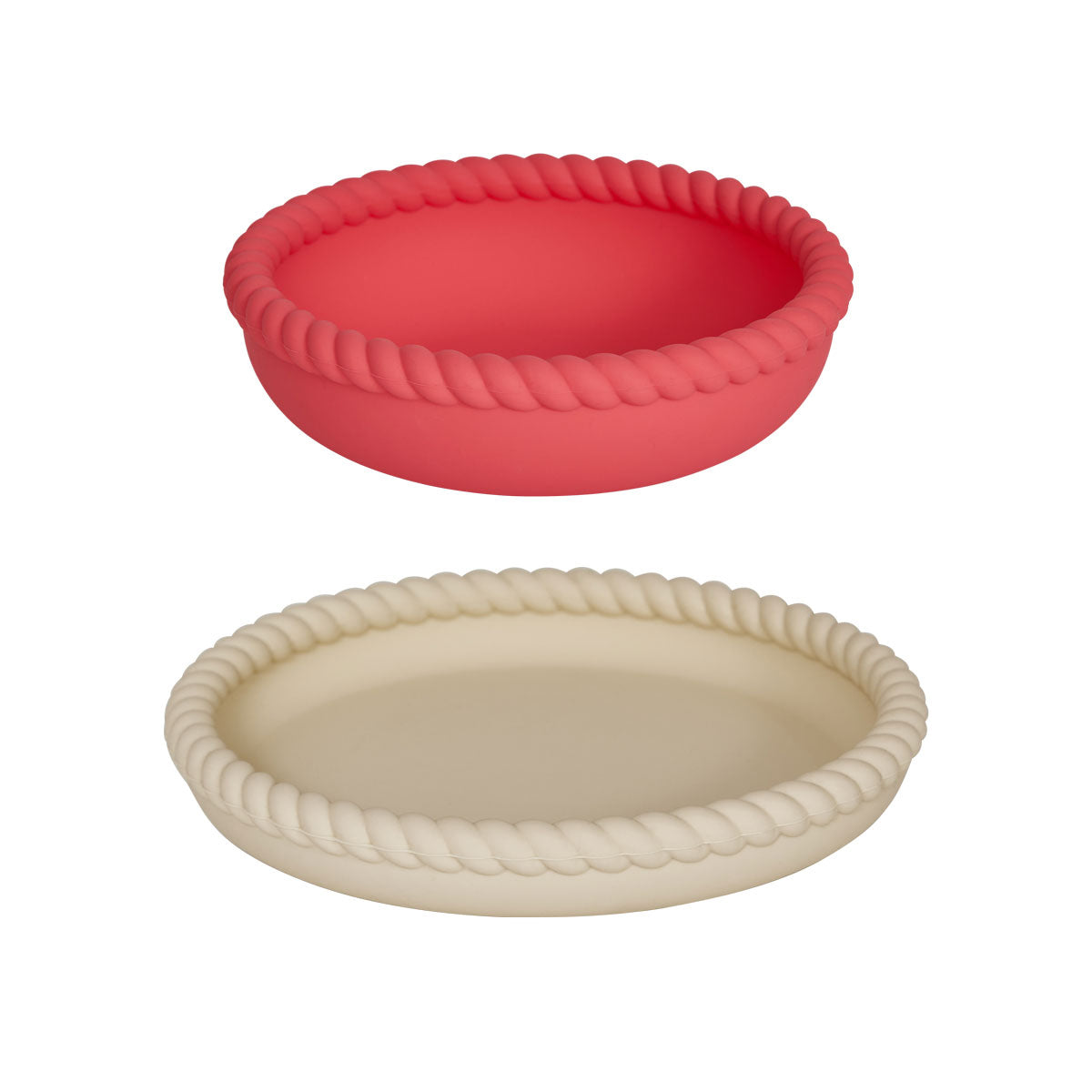
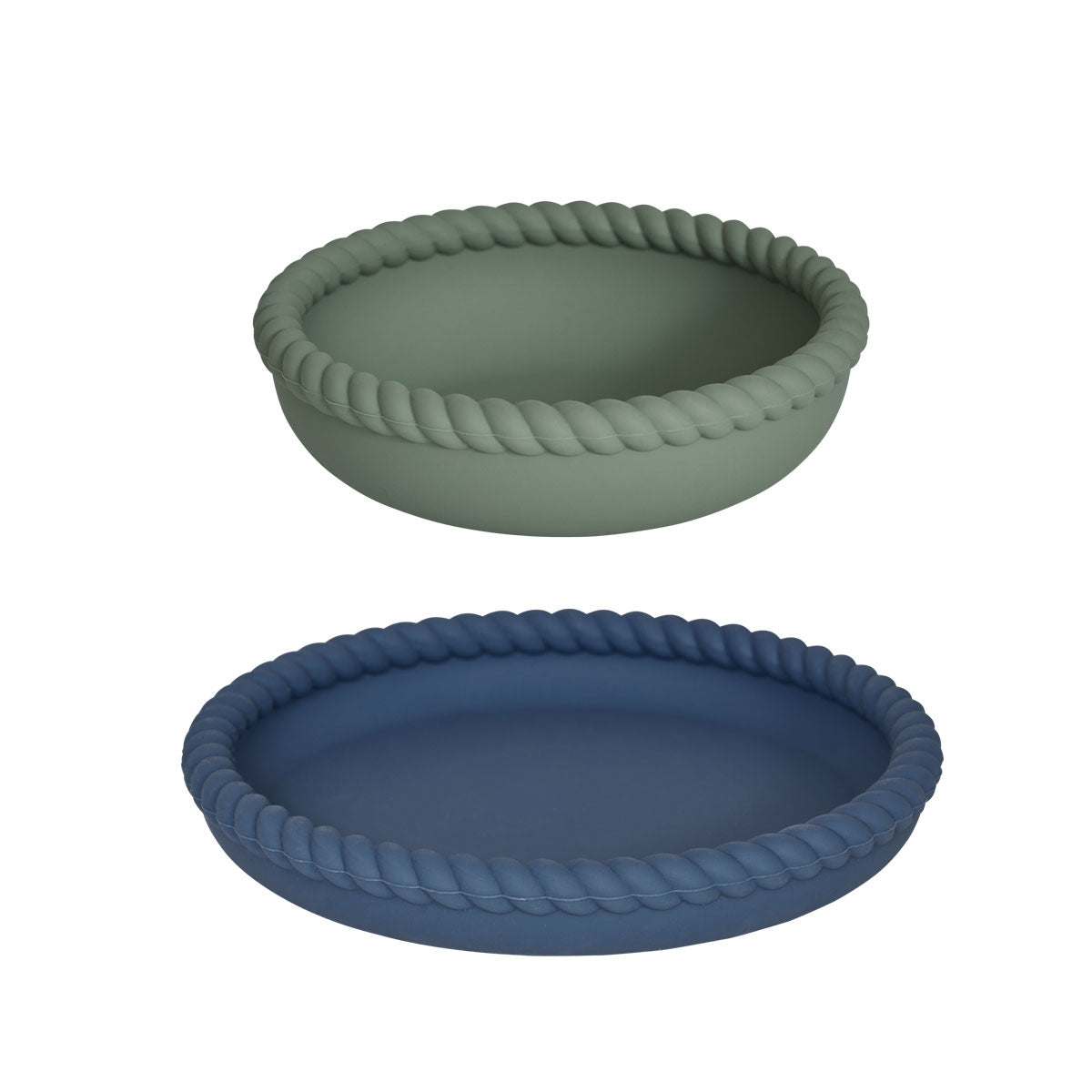
- Pay attention to the raised rim: a plate with a raised rim prevents sauces or juices from running off the plate.
Combining plates on a set table
By stacking plates of different sizes, you create a luxurious, layered table setting. Start with a large dinner plate as a base and place a breakfast plate or deep plate on top for the starter or intermediate course. You can choose plates from the same collection for a sleek, harmonious look, or play with contrasting colours and textures within the same colour palette. This gives the dining table a playful and contemporary character.
The right plates for every meal
Each course requires a specific type of plate for the best presentation. Flat dinner plates are versatile and suitable for meat, fish, and vegetable dishes. Deep plates or pasta plates are perfect for soups, risotto, and meal salads thanks to their wide rim and deeper bowl shape. For serving cake, pastries, or small snacks with coffee, compact dessert plates are indispensable. With a varied set, you will never be caught unprepared.
What types of plates are there?
A wide variety of shapes, styles, and materials is available for every dining occasion. From sleek and modern to rustic and robust, there is a suitable plate for every style.
- Dinner plates for main courses during dinner.
- Breakfast plates for breakfast, lunch, and starters.
- Deep plates and pasta plates for soup, pasta, and risotto.
- Dessert plates for cake, desserts, and small snacks.
- Earthenware plates with a reactive glaze for a unique, artisanal look.
Plate care
To keep your plates beautiful and scratch-free for as long as possible, careful maintenance is important. Most porcelain and stoneware plates are dishwasher-safe. Do not pack the plates too tightly in the rack to prevent rubbing and chipping. When stacking plates in the kitchen cupboard, you can use felt pads or soft placemats between the plates to avoid scratches in the glaze, so the tableware stays looking like new for years.
Buying plates
At Van Dijk Living, you will find a versatile collection of plates that effortlessly combines functionality with stylish design. Whether you are looking for a complete basic set for a new home or individual plates to complement your current tableware, you are guaranteed to find what you are looking for in our webshop. View the different materials, colours, and sizes and put together your ideal table set. With our fast delivery, you will soon be setting the table in style.
Frequently asked questions about plates
What is the difference between earthenware and porcelain plates?
Earthenware is fired at a lower temperature and often has a more robust, natural appearance with unique colour variations. Porcelain is fired at an extremely high temperature, making it harder, thinner, lighter in weight, and generally more resistant to scratches and impacts.
What plate size fits in a standard dishwasher and kitchen cupboard?
Dinner plates with a diameter of up to 27 or 28 centimetres almost always fit without problems in standard dishwashers and kitchen cupboards. For larger plates or plates with a very high rim, measure your cupboards and dishwasher in advance to avoid surprises.
Are all plates microwave-safe?
Most porcelain and stoneware plates are microwave-safe. However, plates with a metallic finish, such as a gold or silver rim, must never be used in the microwave due to the risk of sparking.
Why are plates with a raised rim so popular?
Plates with a raised rim (also known as coupe plates) combine the sleekness of a flat plate with the convenience of a bowl. Sauces and dressing spills stay neatly on the plate, and they give dishes a modern, Scandinavian look.