What is a good Japandi cabinet?
A good Japandi cabinet creates an aesthetic and functional focal point in the interior. The Japandi style combines the clean, practical approach of Scandinavia with the minimalist, warm feel of Japan. You can recognize a high-quality Japandi cabinet by its clean lines, high-quality natural materials such as oak or maple, and refined finish. Characteristic details such as slatted structures, rounded corners, or subtly incorporated woven elements are often visible. A well-chosen cabinet not only provides practical storage space to keep belongings neatly out of sight, but also enhances the sense of balance, space, and serenity in the home.
Why choose a Japandi cabinet?
Choosing a Japandi cabinet means choosing a tidy home with a warm, inviting atmosphere. The minimalist design prevents the piece of furniture from looking heavy or massive in the room, while the natural wood textures still add a lot of character. A Japandi cabinet is extremely versatile and fits effortlessly into various spaces, from the living room to the bedroom or hallway. Because the emphasis is on high-quality craftsmanship, durability, and timeless simplicity, this cabinet brings a piece of furniture into your home that you will not quickly tire of and that will last for years.
What to look for when buying a Japandi cabinet?
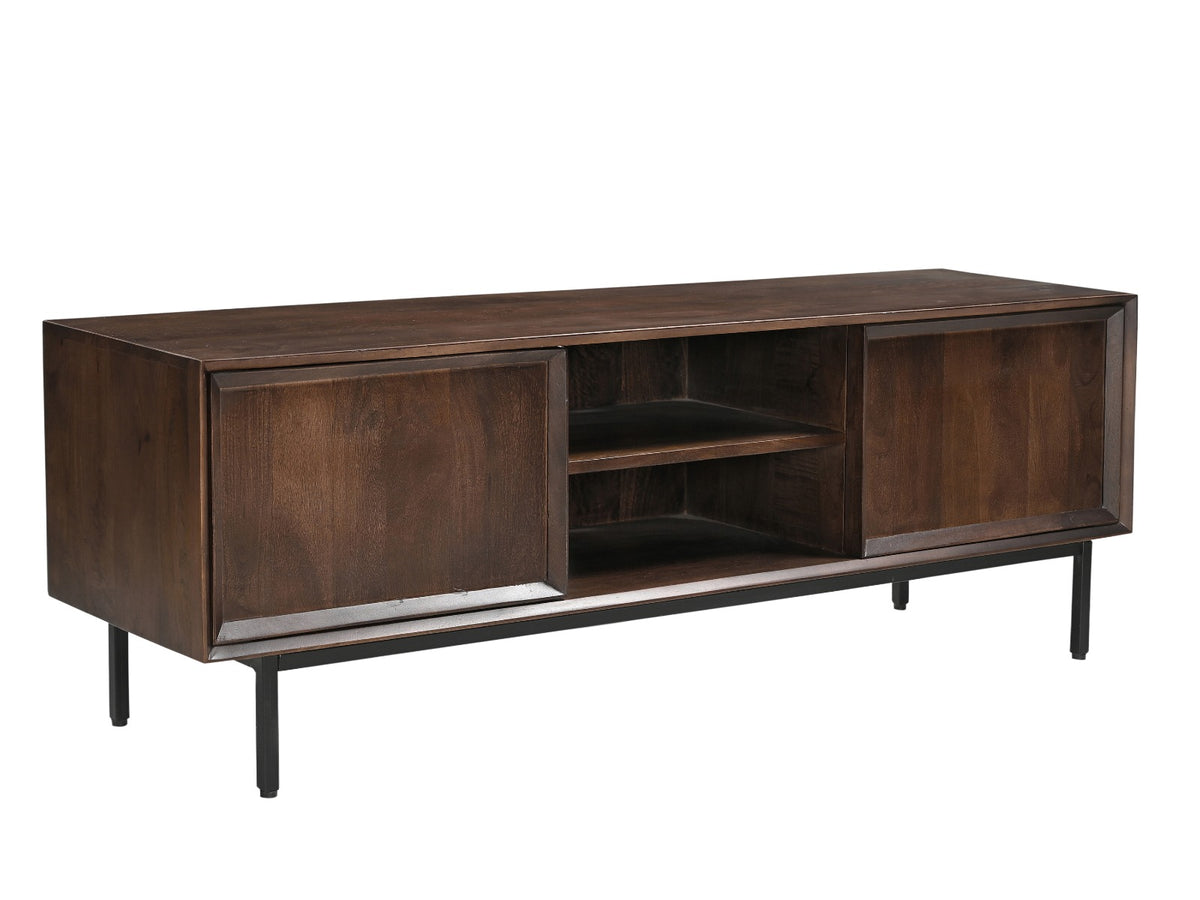
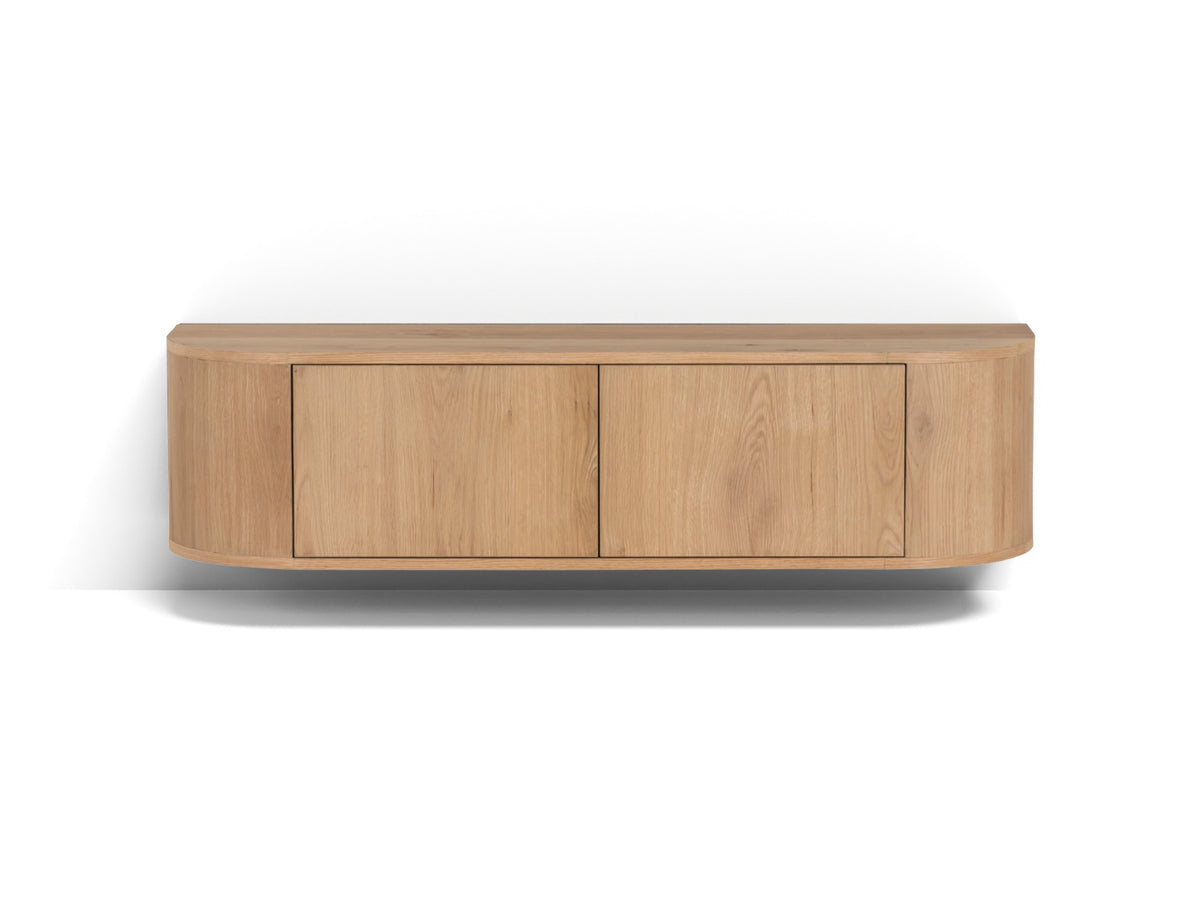
When purchasing a Japandi cabinet, the dimensions of the space and the desired storage function are the most important starting points. Decide beforehand whether you primarily want to store items out of sight behind closed doors, or whether you also need space to display beautiful home accessories in an open compartment. Also pay attention to the wood color and texture. Light, natural wood tones create a fresh and spacious appearance, while darker stained wood brings more depth and contrast. Finally, look at the base; a cabinet on slim or raised legs appears much airier.
Where do you place a Japandi cabinet?
A Japandi cabinet can be beautifully integrated into various places in the home. In the living room, it serves as a stylish sideboard or TV stand where all your equipment and loose items are neatly stored. In the dining room, a tall Japandi cabinet is ideal as a china cabinet, placed near the dining table. It also comes into its own perfectly in the bedroom or a spacious hallway to create a tidy and serene atmosphere. Make sure there is enough space around the cabinet so that the clean and calm design can be optimally showcased.
Matching a Japandi cabinet in your interior
Integrating a Japandi cabinet into your home is about creating visual calm and balancing natural materials.
- Combine the wooden cabinet with soft, tactile fabrics in the interior, such as linen curtains or a wool rug.
- Place a selection of understated home accessories on the cabinet, such as a sturdy ceramic vase or a wooden object.
- Use neutral and earthy tones on the wall behind the cabinet, such as sand, beige, or soft gray, to make the wood stand out beautifully.
- Keep the surface on top of the cabinet mostly empty to maintain the minimalist and tidy character of the style.
What types of Japandi cabinets are there?
In the Van Dijk Living online webshop, you will find various types of Japandi cabinets that suit different living preferences. For example, there are low sideboards and TV stands that create a spacious effect in the seating area. Tall storage cabinets and shelving units offer maximum storage space without compromising on style. In terms of design, you will see many doors with vertical wooden slats, which create a subtle shadow and depth effect. As for materials, the range varies from light natural oak to smoked oak and variants with subtly incorporated rattan or webbing for a tactile accent.
Maintaining a Japandi cabinet
Maintaining a Japandi cabinet requires little time and keeps the wood in optimal condition. Wipe the cabinet regularly with a clean, dry, or slightly damp soft cloth to remove dust. Do not use harsh or abrasive cleaning products that can damage the finish. If the cabinet is finished with a protective oil or lacquer, treat the wood periodically with a suitable maintenance product to protect the material from drying out and discoloration. Always dry up spilled liquids on the surface immediately to prevent moisture and stains from soaking into the wood grain.
Buying a Japandi cabinet
At the Van Dijk Living online webshop, you will find a wide range of furniture that perfectly suits a calming and harmonious interior. Buying a Japandi cabinet is very easy and quick via our webshop. Take your time to view the different models, dimensions, and finishes to select the ideal storage cabinet for your home. With the help of the clear product information and clear images, you can make well-informed choices. Order your new Japandi cabinet today from Van Dijk Living and transform your interior into a stylish, tidy, and serene space.
Frequently asked questions about a Japandi cabinet
What materials are commonly used in a Japandi cabinet?
High-quality, natural materials are primarily used in a Japandi cabinet. Think of solid oak, maple, and refined veneer. This is often combined with accents of ceramic, matte metal, travertine, or woven materials such as rattan and webbing for added texture.
How do I make sure a large Japandi cabinet does not look too heavy?
Choose a model that stands on legs instead of a cabinet that rests directly on the floor. This keeps the floor visible underneath and makes the piece of furniture appear much lighter. A cabinet with floating elements or slatted structures also helps to keep the overall look airy.
Does a Japandi cabinet also fit in a modern or industrial interior?
Yes, thanks to its clean and calm design, a Japandi cabinet combines very well with other interior styles. In a modern interior, the wood adds extra warmth, while in an industrial interior, it beautifully softens the hard materials such as steel and concrete.
What is the difference between a Scandinavian and a Japandi cabinet?
A Scandinavian cabinet focuses primarily on a light, functional appearance with clean lines and very light wood. A Japandi cabinet adds Japanese influences to this, such as greater visual simplicity, refined slatted details, darker wood accents, and an even stronger focus on calm and simplicity.